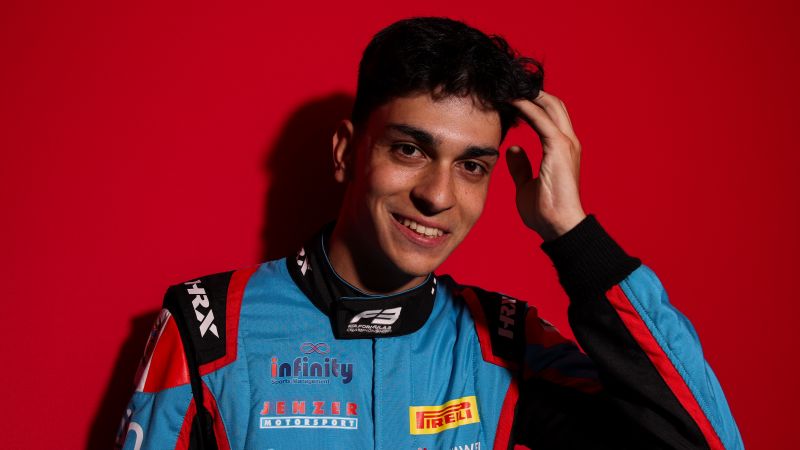
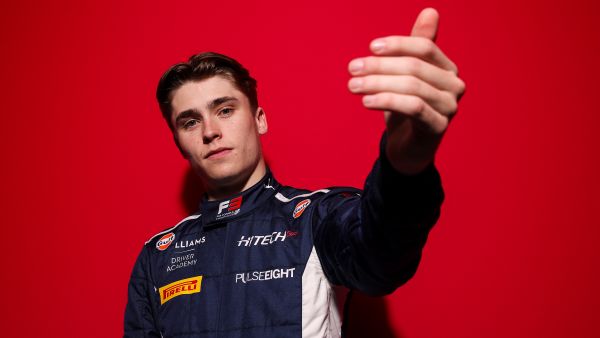
The goal of the GP3 Series is to give young upcoming drivers a chance to develop their driving skills and jump to the next step: GP2 and then Formula 1.
This has proved successful with our inaugural Champion Esteban Gutierrez and his predecessor Valtteri Bottas both securing Formula 1 drives in the 2013 season.
The Series has been designed to make it the perfect driver training ground for GP2 and Formula One. All GP3 events follow the Formula One European Calendar giving drivers firsthand experience of racing in the Grand Prix environment and gaining that all important F1 exposure.
"We will make sure that this Series is as successful as GP2 in revealing young drivers able to jump to the next step."
Bruno Michel, GP3 Series CEO
Using the same chassis, engine and tyre suppliers, the young drivers have to showcase their skills both in speed and in managing tyres, just like they will have to do later during their GP2 and Formula One careers. And with two races per weekend, reverse grids and identical cars, driver’s ability is crucial in the battle to become champion.
The series also benefits from close ties to the FIA, the governing body of world motorsport, and FOM: the FIA scrutineer the cars and oversee the running of all GP3 events, while FOM's unparalleled expertise in broadcasting and marketing ensures that it has truly global reach and appeal.
In 2012, Pirelli introduced an impressive cash incentive to the GP3 Series Champion if they graduate to GP2. The lucky driver received 200,000 Euros reward and drove in a GP2 development test in the Winter.
The GP3 Series has been designed to keep the GP2 philosophy and its values intact. Since its inception six years ago the GP2 Series was designed to reflect five core values: performance, cost control, entertainment, safety and preparation. These values remain the guiding principles of the GP3 Series.
Peformance
With GP3 laptimes beating that of nearest rival Formula 3, it’s clear that we were never going to be just another championship in the ever expanding pool of ‘junior’ formulae. Over 400HP engines, and no hidden snazzy gadgets like traction control or power steering, means it’s all about the driver with these machines. We’ve also been told they’re a lot of fun to drive!
Cost control
Just like our sister Series GP2, GP3 races on the same tracks, on the same weekends and for the same crowds as Formula One with the same impressive display of racing – but for a minute fraction of the cost. Centralised purchasing, strict limits on testing and an outright ban on individual developments means costs are kept in check, while all modifications are made with an eye on how they affect the price structure for the teams.
Entertainment
By far GP3's biggest selling point is the excitement its races provide for the fans. With two races per weekend, reverse grids and identical cars on display, the series never fails to enthral and entertain. There is also the added bonus of being able to catch the Formula One race after GP3 has packed up for the day.
Safety
Racing at such high speeds means safety is of course of the uppermost priority. The GP3 car has passed every one of the stringent F1 FIA tests. GP2 has been committed to safety over the last five years; something we will ensure is mirrored in the GP3 Series.
Preparation
The record speaks for itself: there has never been an F1 feeder category as successful as the GP2 Series. It is this experience and success that makes us confident the GP3 Series will not disappoint in becoming a true training ground for the future stars of motorsport. Our inaugural Champion has already been snapped up an F1 team which is praise indeed.